
The Value Beyond the Bowl.
What gives a simple bowl of matcha its meaning?
Matcha has traveled far beyond Japan. Once closely associated with tea culture and quiet rituals, it is now enjoyed around the world in cafés, desserts, and everyday drinks.
But perhaps the more interesting question is not where matcha belongs, or who produces the most.
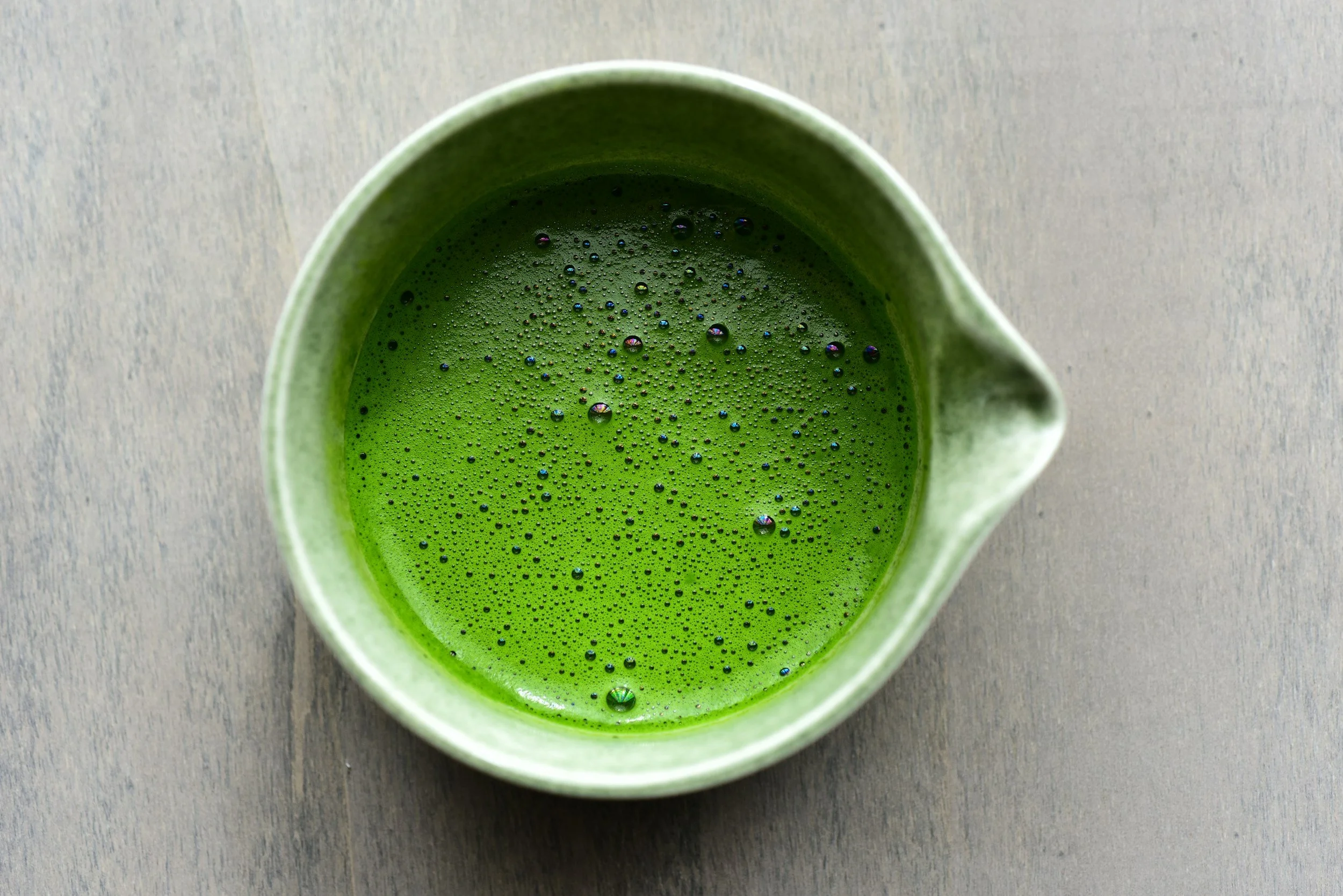
It is how a tradition changes as it travels.
Powdered tea has roots in China and was later introduced to Japan, where it developed into a distinctive culture of its own. Over generations, matcha became more than a drink. The bowl, the gesture, the setting, and the quiet attention given to each moment became part of the experience.
This is what interests us at Objects A Story.
A bowl does not need to be rare or expensive to have meaning. Its shape, texture, weight, and the marks left by the hands that made it can change the way we experience something as simple as a cup of tea.
In a world increasingly focused on speed, volume, and price, some forms of value are harder to measure.
Time. Craftsmanship. Attention.
These qualities are not exclusive to Japan. But they have been deeply woven into Japanese craftsmanship and everyday life for generations.
As matcha continues to travel and evolve, perhaps its value lies not in keeping tradition unchanged, but in remembering what made it meaningful in the first place.
A bowl of matcha may disappear in a few minutes.
The bowl remains.
And sometimes, an object is what allows a story to continue.
